

Why Do My Ears Feel Full or Blocked?
That “plugged,” “clogged,” or pressure-filled feeling in your ears is a very common complaint. Some people describe it as feeling like they’re underwater, wearing earplugs, or unable to “pop” their ears. While it’s usually not serious, ear fullness can be uncomfortable and sometimes confusing. Let’s break down what’s going on and when you should pay attention.
What does ear fullness actually mean?
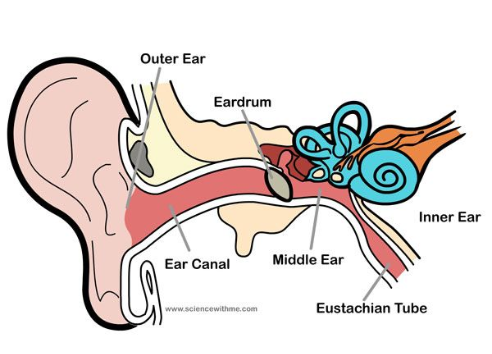
Ear fullness is a sensation, not a diagnosis. It happens when something interferes with the normal way sound and pressure move through the ear. This can involve the ear canal, middle ear, the inner ear or nerve.
Common reasons your ears feel full or blocked
Earwax buildup
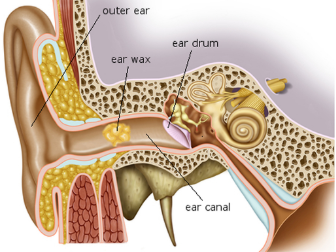
Earwax (cerumen) normally protects the ear, but too much of it can block the ear canal.
You might notice:
- Muffled hearing
- A blocked or heavy feeling in one ear
- Mild ringing or discomfort
Eustachian tube dysfunction
The Eustachian tube connects the middle ear to the back of the nose and helps equalize pressure. When it doesn’t open properly, pressure builds up.
Common triggers include:
- Colds or sinus infections
- Allergies
- Air travel or altitude changes
Symptoms can include:
- Ear popping or crackling
- Pressure or fullness
- Temporary hearing changes
- Fluid behind the eardrum
Sometimes fluid collects in the middle ear, especially after a cold or ear infection. This is common in both children and adults.
You may feel:
- Persistent fullness
- A sense of “sloshing”
- Reduced hearing
This fluid is often not infected and can clear on its own over time.
Fluid behind the eardrum
Sometimes fluid collects in the middle ear, especially after a cold or ear infection. This is common in both children and adults.
You may feel:
- Persistent fullness
- A sense of “sloshing”
- Reduced hearing
This fluid is often not infected and can clear on its own over time.

Ear Infections
Middle ear infections can cause swelling, fluid buildup, and pressure.
Other symptoms often include:
- Ear pain
- Fever
- Hearing difficulty
- Irritability in children
Not all ear infections need antibiotics, but persistent symptoms should be checked.
Sinus or nasal congestion
Because the ears, nose, and throat are connected, nasal congestion can affect ear pressure.
This is especially common with:
- Seasonal allergies
- Sinus infections
- Upper respiratory infections
Inner ear conditions
Ear fullness can come from the inner ear.
Examples include:
- Ménière’s disease, which may also cause vertigo and ringing
- Presbycusis, or normal “wear and tear” hearing loss can cause ear fullness just like it can cause tinnitus
- Sudden hearing loss, which is a medical emergency
Referred ear fullness
Ear fullness can also come from other areas in the body, meaning it’s not the ear that is the problem, but something else that is radiating to your ear.
Examples include:
- Neuralgia, or nerve irritation, where the nerve that runs through the ear also is connected to your neck, nose, throat and sinuses. So if there is irritation anywhere along this nerve, you can have symptoms in your ear
- TMJ, your jaw joint abuts the ear and if there is any inflammation or irritation in the jaw from grinding your teeth or clenching your jaw, this can cause ear symptoms
- Migraine, ear fullness can be seen with migraines and is often intermittent
What can you do at home?
Depending on the cause, some gentle measures may help:
- Swallowing, yawning, or chewing gum to equalize pressure
- Staying hydrated
- Treating allergies with recommended medications
Avoiding inserting objects into the ear such as cotton swabs often push wax deeper, making the problem worse
When should you see a healthcare provider?
You should get checked if:
- You have significant or sudden hearing loss
- There is pain, drainage, or fever
- You feel spinning dizziness (vertigo)
- Symptoms affect only one ear and don’t improve
The good news
Most causes of ear fullness are temporary and/or benign.
If your ears feel blocked and you’re unsure why, getting evaluated can bring both relief and peace of mind.